

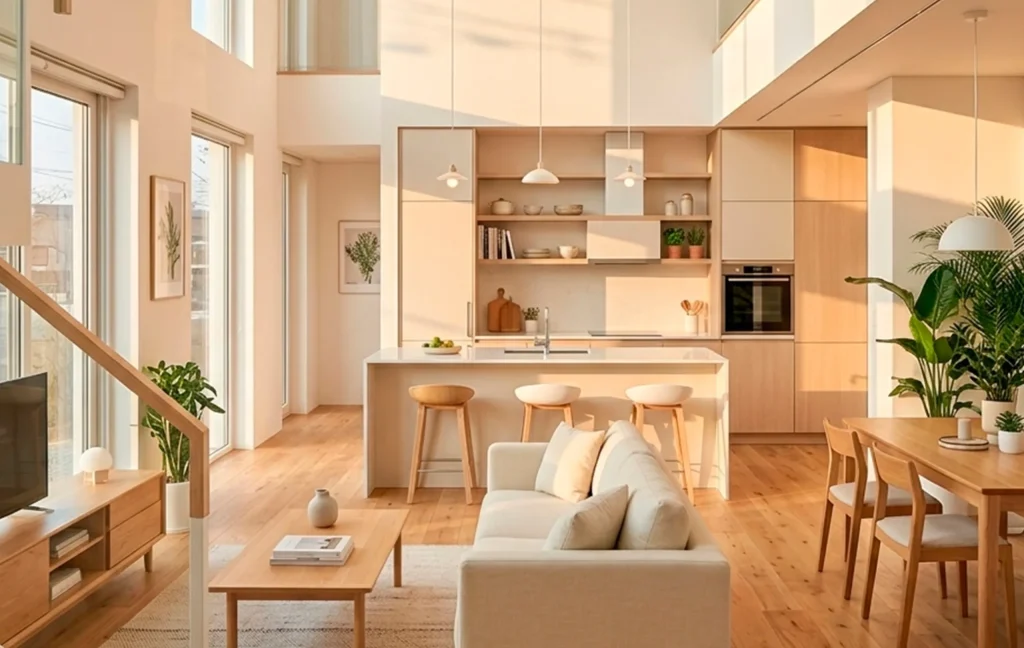
The Airbnb business has become a popular accommodation option in Kenya, especially in major towns and cities where there is demand from tourists, business travellers, students, patients’ families and other visitors.
Starting an Airbnb does not necessarily require owning a property. Entrepreneurs can either use their own property or rent a suitable house and operate it as a short-term accommodation business, subject to the relevant rules and the landlord’s permission.
How Airbnb Business Works in Kenya
An Airbnb host provides short-term accommodation to guests through platforms such as Airbnb. The host creates a listing, adds photos and information about the property, sets prices and availability, and communicates with guests.
The amount a host earns depends on factors such as location, type of property, nightly rate, occupancy, operating expenses and demand.
Popular Airbnb locations can include Nairobi, Mombasa, Kisumu, Nakuru and areas near major tourist attractions, business centres, universities and hospitals.
How Much Does It Cost to Start an Airbnb in Kenya?
The startup cost depends largely on whether you own or rent the property.
Some of the main expenses include:
- Rent or property costs
- Security deposit
- Furniture and appliances
- Bedding and towels
- Kitchen equipment
- Wi-Fi installation
- Cleaning supplies
- Interior decoration
- Electricity and water
- Internet and other utilities
- Photography and marketing
- Relevant licences, permits and taxes
A furnished bedsitter or one-bedroom apartment can require significantly less capital to start than a larger apartment or house.
Airbnb Requirements in Kenya
Before starting an Airbnb, an operator should check the requirements that apply to the specific property and location.
These may include:
- Permission from the property owner if the unit is rented
- Compliance with building and residential-use rules
- Relevant county permits or licences
- Compliance with applicable tourism and accommodation regulations
- Tax compliance
- Appropriate safety measures
Requirements can vary depending on the type of accommodation and county, so prospective hosts should confirm the current requirements with the relevant authorities before starting operations.
How to Make an Airbnb Profitable
Location is one of the most important factors when starting an Airbnb business. A property close to business centres, transport links, universities, hospitals, tourist attractions or entertainment areas may attract more guests.
Hosts can also improve profitability by:
- Keeping the property clean and well maintained
- Using attractive and accurate photos
- Offering reliable Wi-Fi
- Providing essential amenities
- Responding quickly to guests
- Maintaining good reviews
- Adjusting prices according to demand
- Controlling cleaning and utility costs
Good customer service can encourage positive reviews, which can help attract more bookings.
Is Airbnb a Good Business in Kenya?
Airbnb can be profitable when the property is in the right location and operating costs are carefully managed. However, it is not guaranteed income. Low occupancy, high rent, maintenance costs, competition and regulatory requirements can affect profitability.
Before investing, entrepreneurs should calculate the expected monthly income against rent, utilities, cleaning, platform fees, taxes, maintenance and other expenses.
Conclusion
Starting an Airbnb business in Kenya can be an opportunity for entrepreneurs looking to earn income from short-term accommodation. The amount required to start depends on the property, location and level of furnishing.
Anyone planning to start should first research demand in the chosen location, calculate the expected costs and confirm the applicable legal, county and tax requirements.




More Stories
Nursing Courses in Kenya: Requirements, Fees and Career Opportunities
TVET Courses in Kenya: Courses You Can Study and Where to Find Them