

Deputy President Kithure Kindiki has highlighted the government’s progress in transforming Kenya’s agriculture sector, citing increased farmer registration, lower input costs, higher production and growing agricultural exports.
Kindiki said the government had placed agriculture at the centre of Kenya’s economic transformation over the past four years, with reforms targeting farmers, livestock keepers, fisheries and agro-processing.
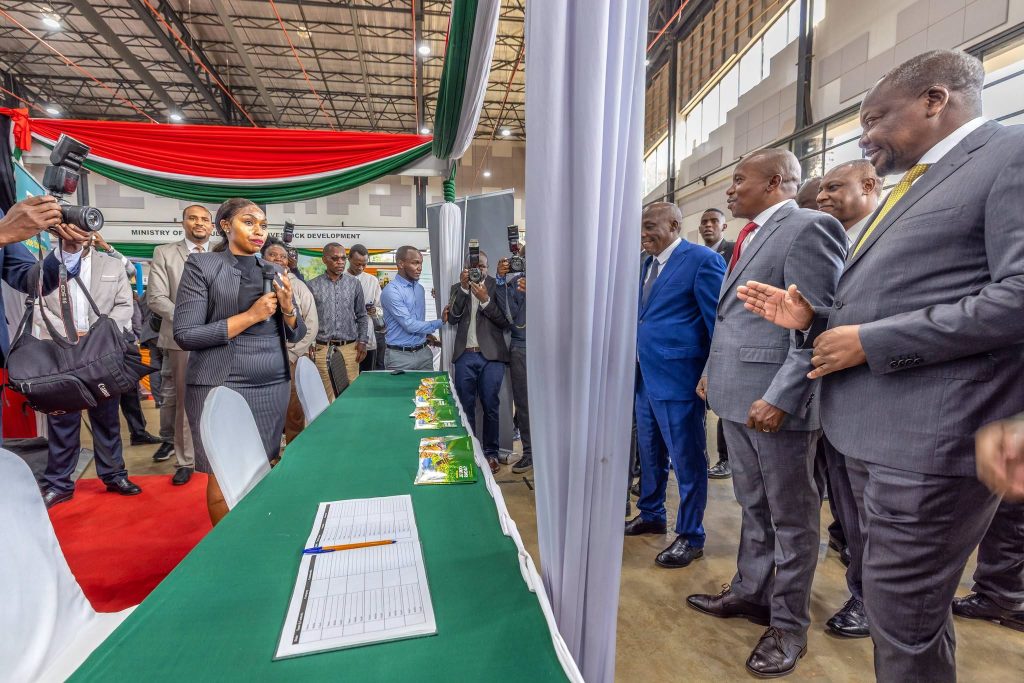
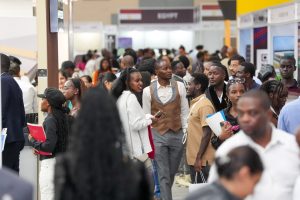
Speaking on Wednesday, October 7, 2026, at the official opening of the Agriculture and Food Security Transformation Summit at Jamhuri Park ASK Showground in Nairobi, Kindiki said the national farmer database had grown from about 300,000 farmers to 7.2 million crop farmers and three million livestock keepers.
He said the government’s subsidy programme had also reduced the cost of key agricultural inputs.
According to Kindiki, the price of a 50-kilogramme bag of fertilizer had dropped from KSh7,000 to KSh2,000, while certified maize seed had fallen by half from KSh300 to KSh150 per kilogramme.
The Deputy President also cited a reduction in the price of sexed semen used in dairy farming, saying the cost had declined from KSh8,000 to KSh1,400 per dose.
On livestock production, Kindiki said 8.9 million cattle had so far been vaccinated under an ongoing programme targeting the country’s estimated 22 million cattle and 50 million small stock.
He said the interventions had contributed to increased production of maize, sugar and oil crops while improving incomes for farmers involved in various agricultural value chains.
Kenya’s dairy sector has also recorded growth, with Kindiki saying milk production had increased from 4.6 billion litres to 5.2 billion litres.
He added that the value of dairy products had risen from KSh4.9 billion to KSh8.9 billion, while meat exports increased from KSh8.9 billion to KSh12.9 billion.
The Deputy President further pointed to the completion of 17 County Aggregation and Industrial Parks (CAIPs), which are being equipped to support value addition and agro-processing.
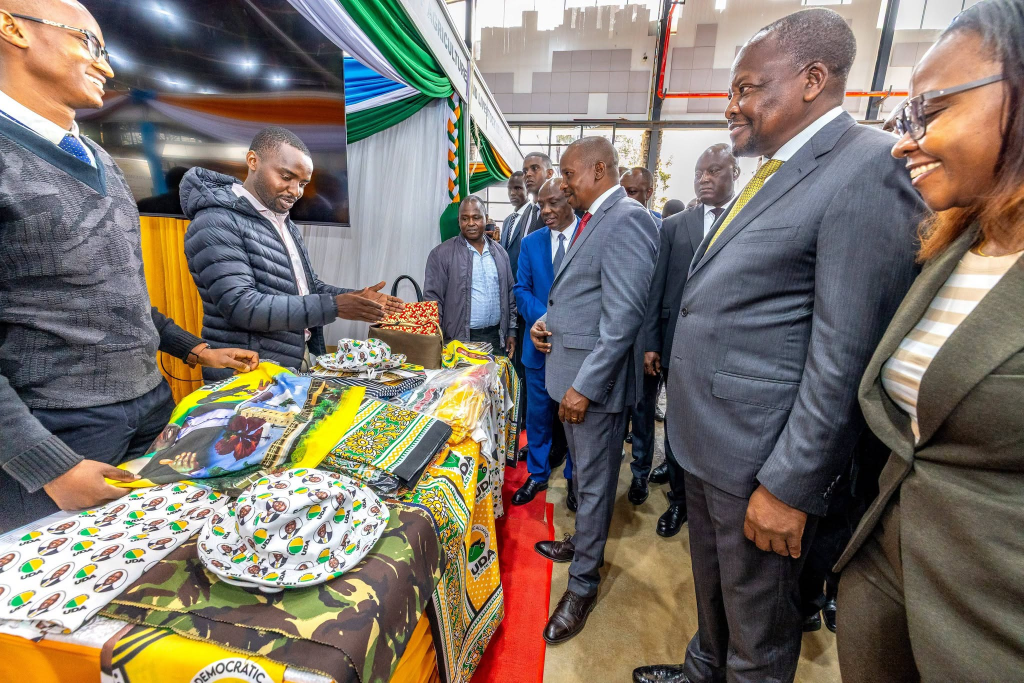
He said extension services had been revamped, while earnings from key agricultural products including coffee, tea, milk, macadamia, pulses and avocado had increased.
Kindiki also highlighted investments in the fisheries and blue economy sector, including fishing ports at Shimoni and Liwatoni, 18 fish landing sites along the Indian Ocean and Lake Victoria coastlines, fishing boats for fisherfolk and more than KSh3 billion in grants to beach management units.
He said fish cages, fingerling production facilities and aquaculture centres in Kabonyo and Shimoni had also contributed to the growth of the fisheries sector.
According to Kindiki, the value of fisheries and the blue economy had risen from KSh37 billion to KSh59 billion.
He said the government was also embracing technology, research and innovation to advance smart agriculture and precision farming while developing new crop varieties, improved animal breeds and better farming technologies.
Kindiki placed farmers at the centre of the government’s agricultural transformation agenda, describing them as critical to Kenya’s efforts to achieve food self-sufficiency.
“At the centre of this impressive transformation is the farmer: hardworking, resilient and patriotic enough to know that their work is not just about livelihood, it is also about making our country self sufficient in matters food,” Kindiki said.

More Stories
Safaricom’s Safire Connect Forum Empowers Githunguri Dairy Farmers with Digital and Financial Solutions
DP Kindiki: We are tightening the noose on illicit alcohol cartels, politicians should keep off the crackdown
Big 5 Construct Kenya returns to Nairobi for its 9th edition, catering to a $26 billion construction projects pipeline