

By Haliet Gesare | Newsline Media
NAIROBI, KENYA — October 22, 2026
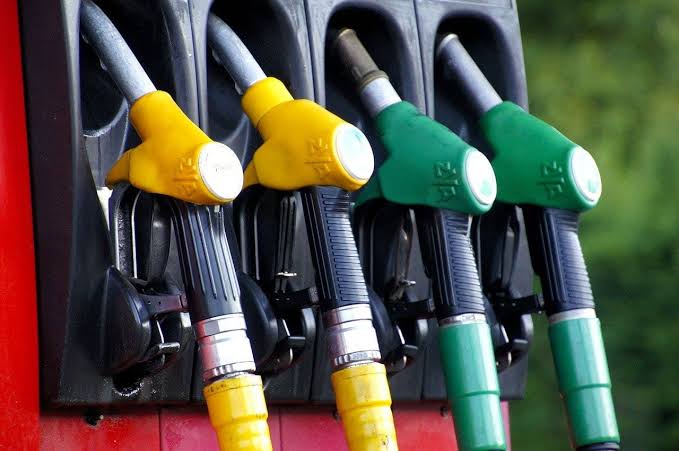
Motorists and public transport operators across Kenya are facing higher costs following an increase in petrol, diesel and kerosene prices announced by the Energy and Petroleum Regulatory Authority (EPRA).
The new maximum retail prices took effect on October 15 and will remain in place until November 14, 2026, putting additional pressure on households and businesses that depend on fuel for their daily operations.
In Nairobi, super petrol now retails at a maximum of KSh226.96 per litre, while diesel costs KSh227.76 and kerosene KSh219.87 per litre.
According to EPRA, petrol prices increased by KSh12.93 per litre, diesel by KSh9.90 and kerosene by KSh28.49.
The latest increase has raised concerns among public transport operators, who warn that passengers could eventually bear part of the additional costs through higher fares.
Matatu Owners Association president Albert Karakacha said operators were finding it difficult to absorb the rising expenses while keeping their businesses running.
“We are businessmen, we will pass it on to the consumer. We cannot be the ones cushioning the expenses while making losses,” Karakacha said.
Diesel prices are particularly significant for the transport sector, as many matatus, buses and long-distance vehicles rely on the fuel. Higher fuel costs can quickly eat into operators’ earnings, especially when combined with expenses such as vehicle maintenance, insurance and spare parts.
For commuters, the possibility of higher fares comes at a time when many households are already struggling to manage their daily expenses. Workers and students who rely on public transport could feel the impact if operators adjust their fares to cover the increased costs.
However, the fuel price review does not automatically translate into a nationwide fare increase. Matatu fares vary depending on the route, distance and decisions made by individual operators.
EPRA reviews and publishes maximum retail petroleum prices for different towns and cities across the country each month. Motorists are encouraged to check the rates applicable to their locations when purchasing fuel.
The latest review is expected to keep fuel costs in focus in the coming weeks, particularly as transport operators assess how the increases will affect their businesses and the fares charged to passengers.
Sources: Energy and Petroleum Regulatory Authority (EPRA) | The Star — Matatu owners warn of fare hikes




More Stories
Kindiki Announces Sh7.5 Billion Nithi Bridge Project to Address Deadly Black Spot
Kindiki Inspects Sh260 Million Student Hostel Project at Muraga College
Trust Summit: Mudavadi Calls for Accountability, Fairer Global Institutions to Rebuild Public Confidence