

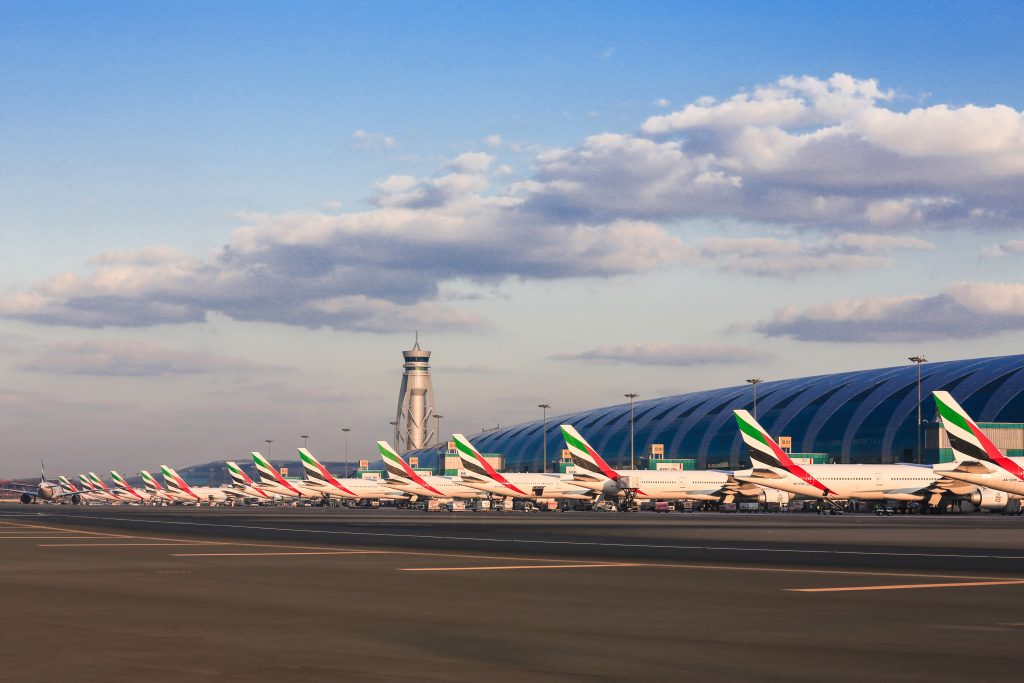
Dubai has cemented its position as a leading destination for African travelers, welcoming 897,000 visitors from the continent in 2025, representing 5% of its total international arrivals. The city’s targeted marketing strategies, tailored experiences, and efforts to debunk misconceptions have made it particularly popular among tourists from Kenya and South Africa, who view Dubai as a vibrant and accessible destination.
This success with African travellers contributed to Dubai’s tourism industry achieving a record-breaking 19.59 million international visitors in 2025, marking a 5% year-on-year increase. While Western Europe led with 21% of total visitors, the Gulf Cooperation Council (GCC) and Middle East and North Africa (MENA) regions contributed a combined 26% of total arrivals.
The GCC, which includes Bahrain, Kuwait, Oman, Qatar, Saudi Arabia, and the UAE, accounted for 15% (2.99 million visitors), while MENA, encompassing countries like Egypt, Morocco, and Jordan, contributed 11% (2.17 million visitors).
December 2025 marked a historic milestone for Dubai, as the city welcomed 2.04 million international overnight visitors in a single calendar month for the first time. This growth was bolstered by major events like the Dubai Shopping Festival and the Dubai Fitness Challenge, which saw a record-breaking 3 million participants, up from 2.7 million in 2024.
His Excellency Issam Kazim, CEO of the Dubai Corporation for Tourism and Commerce Marketing (Visit Dubai), reflected on this achievement, stating: “With powerful momentum after surpassing the 2 million figures for a single month in December for the first time, we are committed to creating exceptional guest experiences and strengthening Dubai’s position as a leading global destination.”
He added, “Guided by visionary leadership, Dubai’s record international visitation is a testament to global confidence in the destination and the effectiveness of policies aligned with the Dubai Economic Agenda, D33. This milestone reflects the collective strength of partnerships across sectors and communities that define our city.”
The city’s diversified destination strategy, supported by partnerships with over 3,000 international stakeholders, is closely aligned with the Dubai Economic Agenda, D33, which aims to double the size of the emirate’s economy by 2033. Tourism and hospitality remain key drivers of economic growth, contributing significantly to Dubai’s GDP and supporting its ambition to become the world’s leading city for business, leisure, and investment.
Kazim emphasized the importance of collaboration in achieving these results, stating: “In partnership with stakeholders across the public and private sectors, we remain dedicated to sustained investment in capacity, infrastructure development, and initiatives to make Dubai the world’s best city to visit, live, and work in.”
Dubai’s success in attracting tourists, including African travellers, can be attributed to several key factors. Campaigns like “Visit Dubai” and partnerships with African influencers and tour agents have helped debunk misconceptions about Dubai, addressing concerns around alcohol availability, nightlife, dress codes, and Ramadan restrictions. Its reputation as one of the world’s safest cities has further enhanced its appeal to African families and solo travellers.
In 2025, Dubai was ranked among the top 10 safest cities globally in Numbeo’s Safety Index, with high scores for personal safety and for women feeling safe walking alone at night. Additionally, Dubai became the first Certified Autism Destination in the Eastern Hemisphere, showcasing its commitment to accessibility and inclusivity.
For African travellers, Dubai offers a wide variety of experiences, from the thrill of Hatta Wadi adventure park to world-class dining and nightlife on the 44th floor of iconic skyscrapers. Its gastronomy scene, influenced by nearly 200 nationalities, has also gained global recognition. In 2025, Dubai restaurants like Trèsind Studio and Orfali Bros earned spots on the World’s 50 Best Restaurants list, further solidifying the city’s reputation as a global culinary capital.
Dubai’s hotel and accommodation sector has also played a key role in supporting tourism growth. By the end of 2025, Dubai’s hotel inventory reached 154,264 rooms across 827 establishments, with an average occupancy rate of 80.7%, up from 78.2% in 2024. New property openings, such as the world’s tallest hotel, Ciel Dubai Marina, and the Jumeirah Marsa Al Arab, further enhanced Dubai’s reputation as a global leader in hospitality.
As Dubai continues to enhance its global competitiveness, African tourists are expected to play a growing role in the city’s tourism success. The UAE’s Year of the Family in 2026 will reinforce values of inclusivity and shared heritage through authentic cultural experiences and community gatherings. Major infrastructure projects, such as the expansion of Al Maktoum International Airport and the construction of the Dubai Metro Blue Line, will make the city even more accessible and welcoming.


More Stories
How big data is revolutionizing the uptake of insurance
Manufacturing Sector Pushes for Policy Reforms in 2026 Roadmap
Muckpit Concludes Muckarena Tour with Bomet Grand Finale