

In 2021, at the height of COVID-19, thousands of Kenyans — boda boda riders, mama mbogas, teachers in the diaspora, members of chamas and Saccos — were sold a simple dream.
Own land in Ruiru, behind Spur Mall, on Thika Superhighway. A 428-acre gated community called Riverline Ridges. Affordable. Controlled. With a title deed at the end.
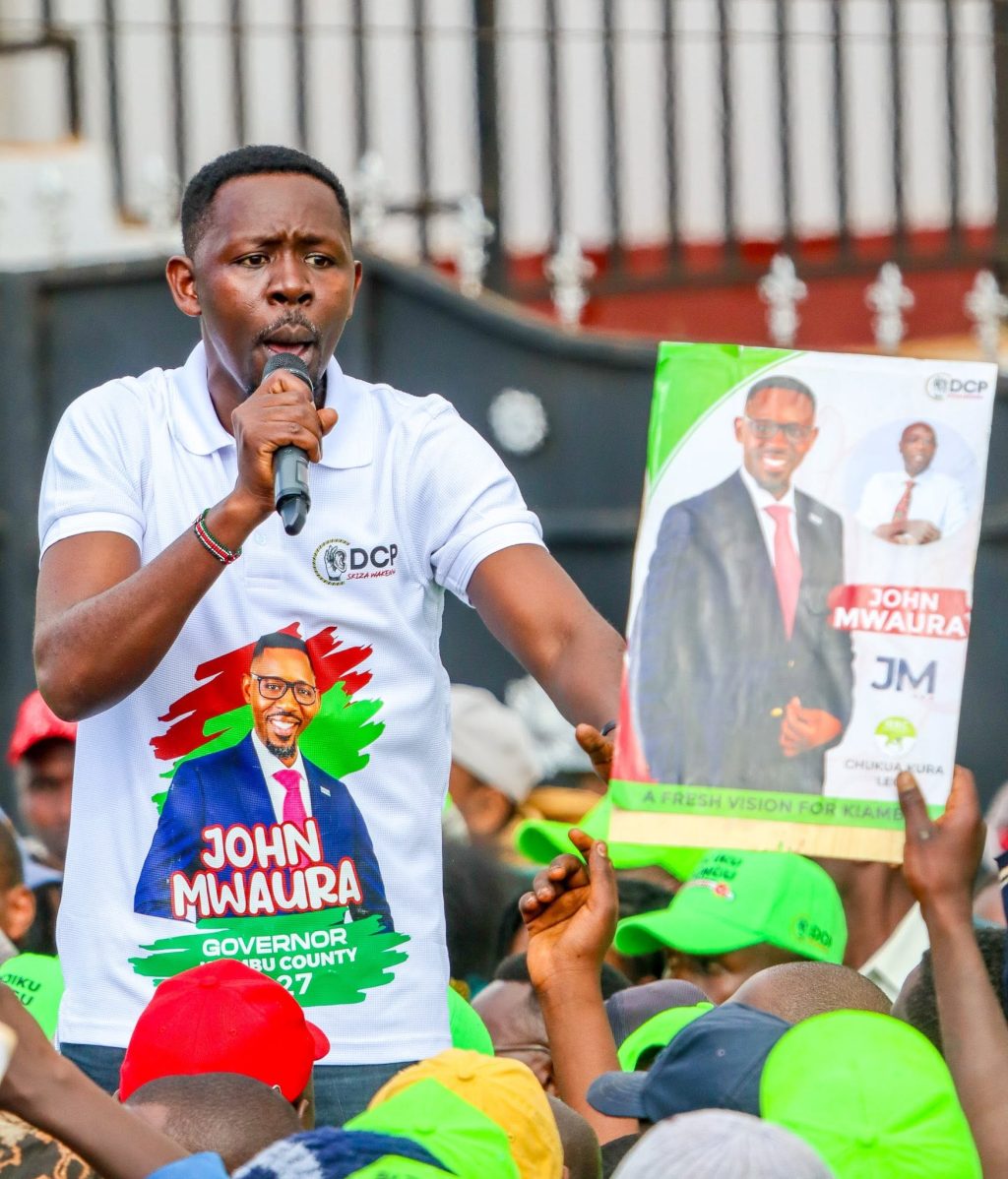
The pitch was powerful because of who was behind it. On one side was the National Co-operative Housing Union, NACHU, the umbrella body for housing cooperatives in Kenya, chaired by Francis Kamande. On the other was Finsco Africa, the real estate firm led by CEO John Mwaura, presented in press releases as the project manager and marketer.
“NACHU in partnership with Finsco Africa have established Riverline Ridges,” Business Today reported at the time. “The National Union whose project manager is Finsco Africa aims at enabling Kenyans in the informal sector… to be homeowners without digging too deep into their pockets.”
Another report said NACHU had “tapped” Finsco to launch a 400-acre project, with plots going for Ksh2.65 million. “Nachu has partnered with Finsco Africa to manage and market the project,” it said.
For buyers, that branding mattered. They believed they were buying into a NACHU-owned project — a cooperative union project, protected by a public-interest institution — not a private developer’s land deal.
Six years later, some of those buyers say that belief was the trap.
The question that has haunted Riverline from the start is: who actually owned the land?

Court filings and press investigations in 2021 point to a different origin story. The 402-acre parcel, L.R No. 11295, was owned by New Pillion Estates Limited, not NACHU. NACHU was to buy it for Ksh2.814 billion, or Ksh7 million per acre, under an agreement dated March 30, 2021.
But two directors of New Pillion disowned the deal. Mary Njoki Thuku, widow of Stephen Thuku Mungara, filed a case in the Environment and Land Court in Thika alleging the land was fraudulently transferred, without payment from NACHU.
A second director, Mary Wanjiru Gicheru, widow of Peter Gicheru, said in an affidavit dated April 22, 2021: “There was no board resolution to sell the suit property… Strangers have got into possession of the suit property without permission of shareholders.”
The filings alleged that before the 30% deposit was paid, the land had already been transferred to NACHU and Kiambu County had given a permit for subdivision. “Before members of the shareholders of New Pillion Estates Limited knew of the development, NACHU was already offering plots for sale to members of the public,” one report noted.
At the centre of that saga, according to those filings, was former police commissioner Bernard Njiinu, a director at New Pillion, accused of irregularly transferring the land to NACHU.
Neither NACHU nor Finsco has been convicted over that transfer. The land case itself has dragged through courts for years, with competing claims of fraud, irregular board resolutions, and unpaid consideration.
But for buyers, the legal fog was not disclosed at the point of sale. They say they were shown NACHU branding, Finsco brochures, and a vision of a controlled estate — not a title dispute involving a dead shareholders’ estate.
Today, a growing group of Riverline buyers say they have spent six years waiting for what they paid for: clear titles, infrastructure, or their money back.
Their complaints follow a pattern now familiar in other Finsco projects. In a separate, more recent case at Thika Groove Chania Estate, investor Frank Njuguna accuses Finsco Africa of selling his Plot No. H41 without his consent and withholding a Ksh4.9 million refund. Finsco disputes the amount, saying its records show Ksh4,076,292, and attributes the repossession to prolonged default on instalments. It has apologised for failing to process the refund within the anticipated period, blaming internal bank processing.
That case is not Riverline, but buyers interviewed for this story say it mirrors their experience: promises of refunds, repeated engagements, and delays that stretch into years.
“I paid believing NACHU owned it,” one buyer, who asked not to be named for fear of jeopardising negotiations, told this desk. “If I had known the land belonged to New Pillion and there was a court fight, I would never have paid. Now we are told to wait, wait, wait. Six years is not waiting. It is being stuck.”
Another buyer said she was sold the plot in 2020-2021, completed payments, and was told title processing was “at an advanced stage.” Years later, she still has no title and no refund.
Finsco Africa has not responded to specific questions about Riverline refund requests at the time of publication. The company has in the past pointed to title backlogs at the Ministry of Lands and to court disputes beyond its control as reasons for delays.
To be fair, Finsco and NACHU do have a counter-narrative — and it is also on record.
In December 2023, Finsco announced it had handed over 400 title deeds to buyers on NACHU’s Riverline Ridges Project in Ruiru. Capital FM reported: “Over 400 title deeds were handed over to project buyers, signifying a crucial milestone.” The report quoted CEO Mwaura Kogi expressing gratitude to customers and NACHU management, and described the project as a “428-acre marvel” that had survived COVID-19.
Finsco has also won in court on a separate project, Legacy Ridges, also in Ruiru. In May 2026, the Daily Nation reported that the High Court had thrown out a case against the sale of land, opening the door for buyers to receive titles. Finsco CEO John Mwaura said the parties had adopted Alternative Dispute Resolution and that 200 titles were being issued.
For the company, those moments prove the model works: disputes happen, but titles eventually come.
For the aggrieved Riverline buyers, the 400 titles raise a harder question: if 400 buyers got titles, why are others still chasing refunds six years later? Were some plots sold on land whose ownership was never clean? Were buyers in later phases sold plots that were never properly transferred?
Those questions remain unanswered in public documents.
Kenyan land law is clear: a seller must have good title to sell. A buyer who pays on the basis of a misrepresentation — that a cooperative union owns land when it does not, or that a title is ready when it is under litigation — has a right to rescind the contract and demand a refund, plus interest.
What is not yet clear in Riverline is intent. Did Finsco and NACHU knowingly mislead buyers, as the aggrieved buyers allege? Or did they genuinely believe the New Pillion transfer was valid, and were themselves caught in a shareholder war they did not create?
That distinction matters. One is fraud. The other is a failed deal and poor disclosure. The courts, not press releases, will have to decide.
But six years on, the human cost is not in dispute. Families who used chama savings, diaspora remittances, and retirement payouts are still without land and without refunds. They are not asking for a miracle. They are asking for a title, or their money back, with an explanation of who owned Riverline when they paid.
Until Finsco Africa and NACHU publish a full list of Riverline buyers, titles issued, titles pending, and refunds paid, the Riverline promise will remain what its critics now call it: a dream sold on borrowed ownership.


More Stories
How Gachagua Is Turning UDA Defections Into a 2027 Political Opportunity
Kindiki Announces Sh55bn Road Upgrade Plan for Kericho
KCB Treasury Division Supports Businesses in Managing Financial Risks