

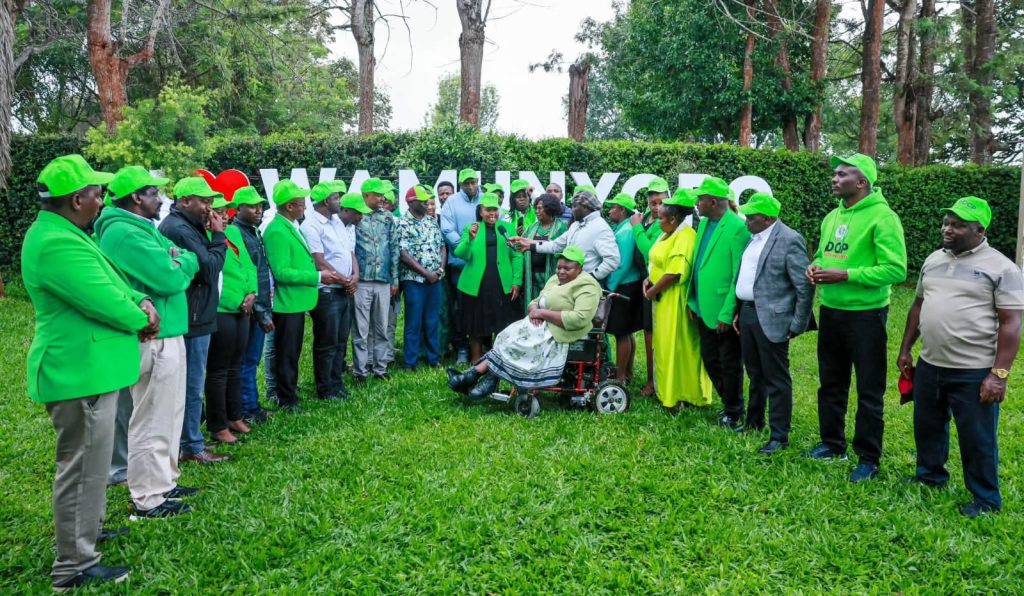
The growing possibility of politicians abandoning the ruling United Democratic Alliance (UDA) for Democracy for the Citizens Party (DCP) could present former Deputy President Rigathi Gachagua with an unexpected political headache as the battle for control of the Mt Kenya region ahead of the 2027 General Election intensifies.
While Gachagua has positioned DCP as the vehicle through which he hopes to consolidate opposition support in the vote-rich region, the party’s ability to attract leaders with independent political ambitions, established grassroots networks and financial influence will be critical to its success.
However, defections from UDA do not automatically translate into political loyalty to Gachagua. Some politicians could be seeking alternative platforms to protect their individual electoral ambitions rather than subscribing to his broader political agenda.
One of the biggest risks for Gachagua is that defections could turn DCP into a political shelter for disgruntled politicians rather than a movement united by a common ideology and agenda. Leaders leaving UDA may share dissatisfaction with President William Ruto’s administration, but their long-term political interests may not necessarily align with Gachagua’s ambitions.
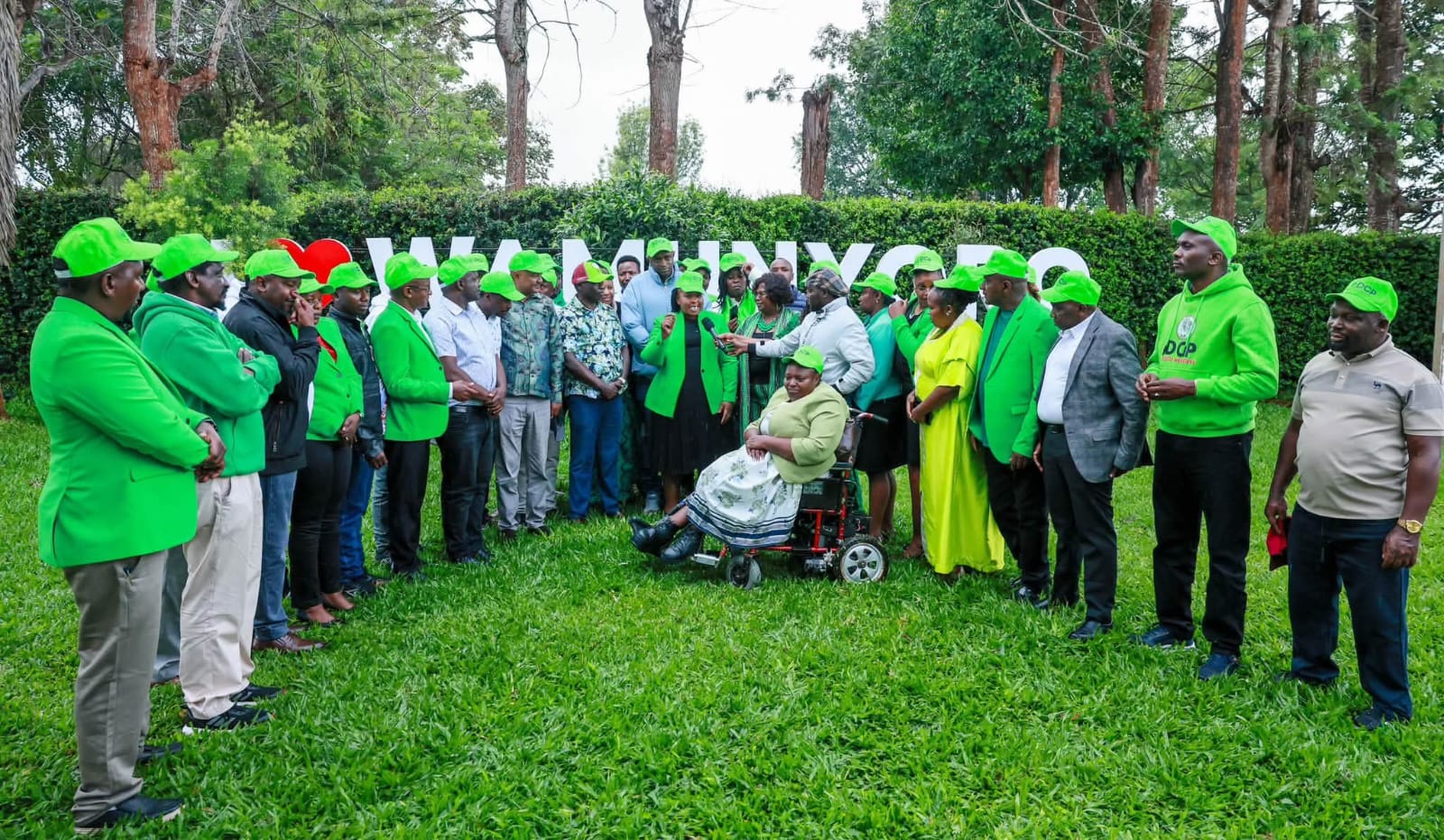
The entry of politicians such as Gatundu South MP Gabriel Kagombe and Kamukunji MP Yusuf Hassan Abdi into DCP gives the party an opportunity to expand beyond its traditional Mt Kenya base. However, attracting established politicians also means managing competing interests, particularly as aspirants begin negotiating for parliamentary, gubernatorial and other elective positions ahead of 2027.
Gachagua also faces the challenge of ensuring that DCP does not become a collection of individual political brands competing for influence within the same party. Some defectors could arrive with expectations of automatic influence, potentially creating tensions with politicians who have stood with him since the party’s formation.
The Ndindi Nyoro factor presents another interesting dimension to the unfolding realignment. The Kiharu MP’s departure from UDA for the Party of People of Kenya (PPK) demonstrates that the political discontent within the ruling party is not necessarily translating into support for Gachagua’s DCP. Nyoro’s independent political positioning could complicate Gachagua’s ambition to emerge as the undisputed political kingpin of Mt Kenya.
There is also the question of whether DCP can convert defections into actual votes. Winning the support of political leaders is one thing, but convincing their supporters to follow them into a new political formation is an entirely different undertaking. Some politicians enjoy personal influence that may not automatically transfer to their preferred party.
For President Ruto and UDA, the defections could equally provide an opportunity to reorganise the party, reward loyalists and identify new political players ahead of the next elections. A politician leaving the ruling party does not necessarily mean an entire constituency has shifted allegiance.
Gachagua therefore faces a delicate balancing act. He needs experienced politicians to strengthen DCP’s national profile, but he must also protect the party from internal competition that could weaken his authority and undermine the unity he has been preaching in Mt Kenya.
With 2027 approaching, the real test will not be how many politicians abandon UDA for DCP, but whether Gachagua can turn those political movements into a disciplined electoral machine capable of delivering votes across Mt Kenya and beyond.
For Gachagua, the danger may not be UDA politicians joining DCP. It is the possibility that they could join with their own ambitions, constituencies and political conditions, leaving him with a bigger party but a more complicated political organisation.


More Stories
Why Ruto Might Struggle to Secure Mt Kenya Support in the 2027 General Election
Ngunjiri Wambugu Claims UDA Members Defecting to DCP and PPK as Political Intrigue Deepens
Media Attachment in Kenya 2027: A Guide for Journalism and Mass Communication Students