

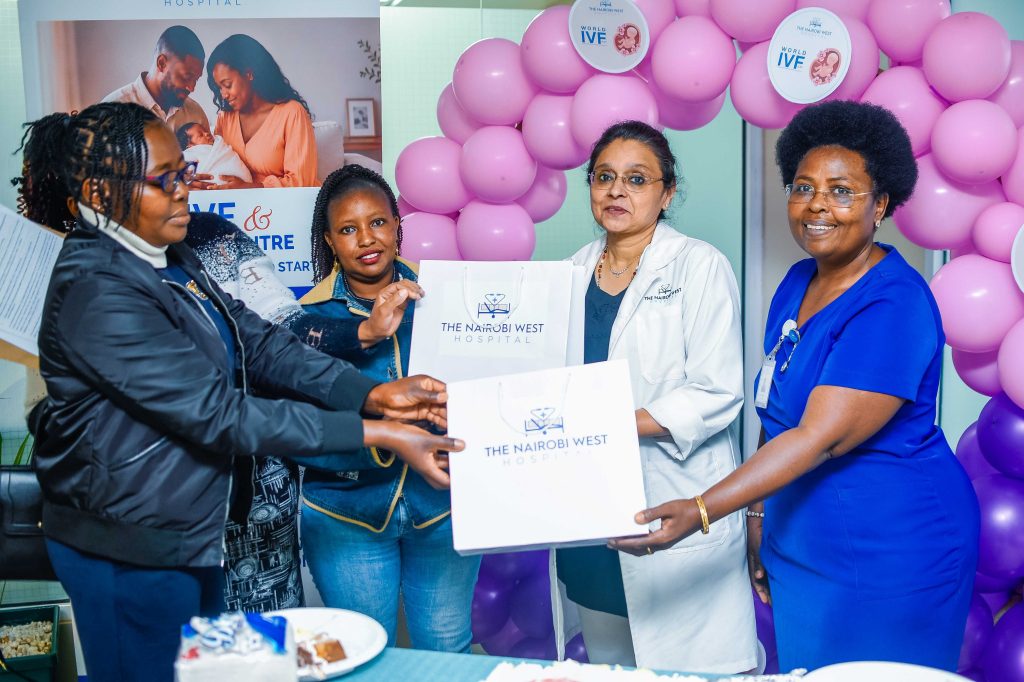
By Dr. Rao Bindu, IVF and Fertility Specialist
Every year on July 25, the world marks World IVF Day, commemorating the birth of the first baby conceived through in vitro fertilisation (IVF) in 1978. Nearly five decades later, assisted reproductive technology has enabled millions of families across the globe to experience the joy of parenthood. Yet in Kenya, infertility remains one of the country’s least discussed public health challenges despite its profound social, emotional and economic consequences.
The conversation around fertility often centres on declining birth rates or population growth. However, for thousands of Kenyan couples, the pressing concern is not whether to have children, but whether they can have them at all.
According to the World Health Organization, one in every six people globally experiences infertility during their reproductive years, underscoring that infertility is a medical condition rather than a lifestyle choice or personal failing. In Kenya, specialists estimate that between 10 and 15 per cent of couples experience infertility, with male factors contributing to nearly half of all cases.
Ironically, this burden exists alongside a country whose total fertility rate remains relatively high at 3.4 children per woman, according to the 2022 Kenya Demographic and Health Survey. National averages, however, should never obscure the reality faced by couples struggling to conceive.
Medical science has transformed fertility care over the past four decades. Couples today have access to comprehensive diagnostic services, ovulation induction, intrauterine insemination (IUI), in vitro fertilisation (IVF), intracytoplasmic sperm injection (ICSI), fertility preservation through egg and sperm freezing, donor programmes and advanced genetic screening where clinically indicated. These interventions have significantly improved the chances of conception while allowing treatment to be tailored to individual patient needs.
Equally important is recognising that infertility is not solely a women’s health issue. Male-factor infertility accounts for a substantial proportion of cases, making joint evaluation and treatment essential. Early assessment after 12 months of unsuccessful attempts to conceive (or after six months for women aged 35 years and above) can improve outcomes and reduce the emotional and financial burden associated with delayed treatment.
For many years, affordability remained the single greatest barrier to fertility care in Kenya. A standard IVF cycle can cost several hundred thousand shillings, placing treatment beyond the reach of many families. The gradual integration of fertility services into structured health financing therefore marks an important shift towards equitable healthcare.
The Social Health Authority (SHA), through selected specialised schemes, has begun supporting access to IVF for eligible beneficiaries. This demonstrates an encouraging recognition that infertility deserves the same policy attention as other chronic medical conditions. While coverage remains limited to specific benefit packages, it signals the beginning of a broader conversation about making fertility care more accessible and financially sustainable for Kenyans.
Healthcare institutions are also expanding local capacity, reducing the need for patients to seek treatment abroad. Centres such as The Nairobi West Hospital IVF and Fertility Clinic have invested in multidisciplinary fertility services, bringing together reproductive medicine specialists, embryologists, gynaecologists, urologists, counsellors and laboratory experts to provide comprehensive care under one roof. Such investments are helping strengthen Kenya’s position as a regional destination for specialised reproductive medicine while offering hope to families closer to home.
Beyond technology, however, the greatest need may be changing attitudes. Too many couples continue to suffer in silence because infertility is still associated with shame, blame and cultural misconceptions. Women often bear the unfair burden of responsibility, while men may delay seeking evaluation despite male-factor infertility being common. Fertility challenges deserve empathy, timely medical assessment and evidence-based treatment—not stigma.
As Kenya continues to strengthen universal health coverage, fertility care should remain part of the national conversation. Parenthood is deeply personal, and the inability to conceive can have lasting psychological and social consequences. Ensuring that fertility services become increasingly accessible is not merely about helping people have children; it is about restoring dignity, protecting mental wellbeing and affirming every Kenyan’s right to pursue the dream of building a family.
This World IVF Day offers an opportunity to replace silence with science, myths with facts and despair with hope. With growing public awareness, supportive health policies, expanding specialist expertise and continued investment in reproductive medicine, more Kenyan families can look forward to turning the hope of parenthood into reality.



More Stories
Best ICT Attachment Opportunities in Kenya 2026/ Newsline Media and Training Agency
Computer Science Attachment Opportunities 2026 | Newsline Media
Computer Science Attachment Opportunities 2026 | Newsline Media