

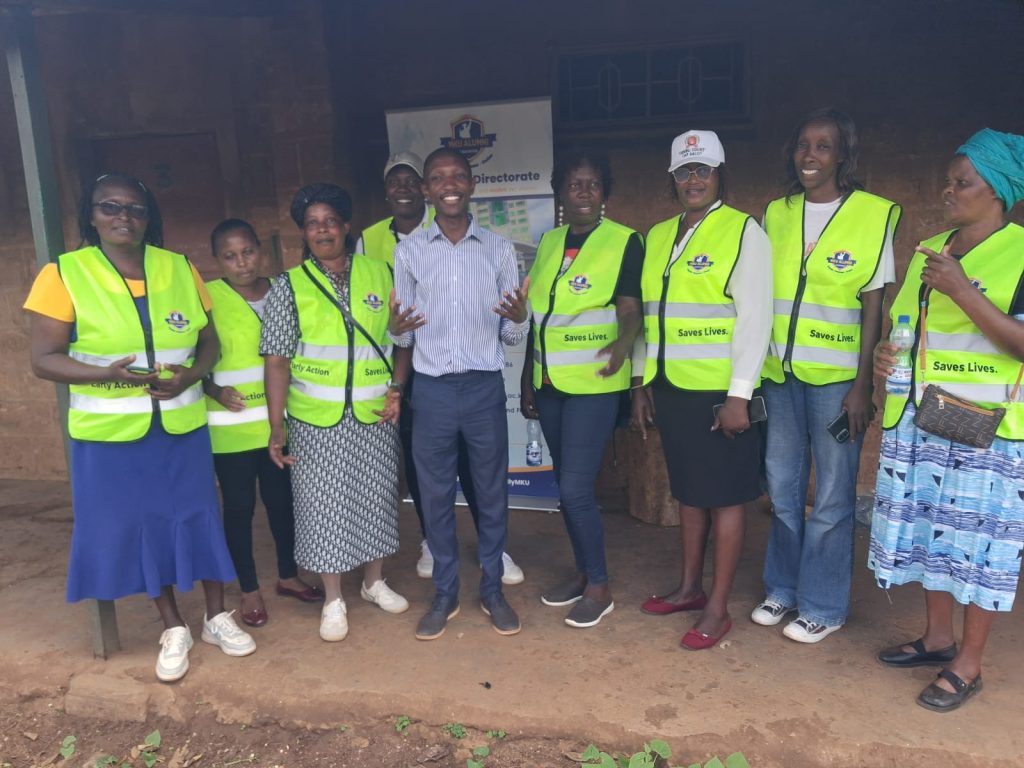
Kenyans have been urged to embrace regular medical check-ups and early diabetes screening amid concerns that many people are living with the condition without knowing their health status.
Speaking on Saturday during a medical camp organised in Thika by the Mount Kenya University School of Pharmacy Alumni Network (MKU-SPAN) to mark World Diabetes Day, the network’s president, Dr Njoroge Kanyua, said a significant number of people were suffering from diabetes without knowing they had the condition.
Dr Kanyua warned that the absence of noticeable symptoms in the early stages of Type 2 diabetes was contributing to delayed diagnosis, exposing patients to potentially serious health complications.
“Many people are living with diabetes without knowing it. We are encouraging Kenyans to take early tests and make regular medical check-ups part of their lives instead of waiting until they develop symptoms before seeking medical attention,” he said.
He noted that early screening could help identify people at risk and those already living with the condition, allowing them to seek timely treatment and avoid complications.
The medical camp, held on Saturday at General Kago Primary and Junior Secondary School, brought together healthcare professionals to provide free screening, consultations and other medical services to residents.
Dr Kanyua said rapid urbanisation and industrialisation were increasingly changing lifestyles in towns such as Thika, exposing residents to risk factors associated with non-communicable diseases.
He pointed to sedentary lifestyles, reduced physical activity and increased consumption of fast foods and highly processed meals as some of the factors contributing to the growing risk of Type 2 diabetes.
He also noted that demanding work schedules in industrial establishments often leave employees with little time to prioritise routine medical check-ups.
According to Dr Kanyua, diabetes goes beyond an individual’s health, with its financial implications extending to families through the cost of medication, regular monitoring and treatment of complications.
Poorly managed diabetes can lead to serious complications, including kidney disease, vision loss, nerve damage and cardiovascular conditions, increasing the financial burden on households.
He called on employers to introduce regular workplace medical screening programmes and create environments that encourage healthier lifestyles among employees.
The Saturday medical camp was organised by MKU-SPAN in partnership with the Mount Kenya University Pharmacy Students Association (MKUPSA) and the Thika District Business Association (TDBA).
Residents accessed various services, including diabetes screening, blood pressure checks, cancer screening, optical and dental services, mental health support, physiotherapy and laboratory investigations.
Dr Kanyua said community-based medical initiatives were important in bringing preventive healthcare closer to people who might otherwise postpone routine medical examinations due to financial constraints or busy work schedules.
He, however, emphasised that screening alone was not enough, urging those identified with abnormal results to seek further medical assessment and maintain regular follow-up.
He further encouraged Kenyans to embrace balanced diets, regular physical exercise and healthy weight management as part of efforts to reduce their risk of developing Type 2 diabetes.

More Stories
Ol Pejeta Faces Rhino Conservation Challenges as Population Growth Adds Pressure on Habitat
Co-op Bank to Finance Electric Matatus and PSV Fleets in Kenya
KCB Champions Sustainable Finance to Green Kenya’s Education Sector at COP31