

By Julius Gitau
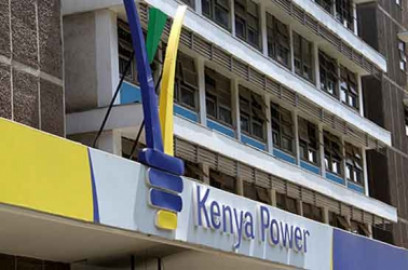
Kenya Power has been barred from disconnecting electricity supplies to essential county facilities over unpaid bills, following a court decision aimed at balancing the utility’s financial interests with the need to protect critical public services.

The ruling means essential facilities cannot have their electricity disconnected simply because of outstanding debts owed by county governments.
The matter highlights a longstanding challenge facing Kenya’s public sector: how to deal with unpaid bills without disrupting services relied upon by millions of citizens.
County governments provide essential services, including healthcare, water and sanitation. Electricity is therefore critical to the operation of hospitals, health centres, water systems and other public facilities.
Kenya Power has previously faced challenges involving unpaid electricity bills owed by public institutions. The utility has argued that unpaid debts affect its financial position and its ability to maintain reliable electricity services.
The latest court decision requires Kenya Power to report county debts to the National Treasury and pursue dispute-resolution mechanisms before taking action against essential facilities. It also requires the utility to issue written notice before any disconnection.
The decision effectively places greater responsibility on government institutions to resolve outstanding electricity bills while ensuring that citizens do not suffer because of financial disputes between public bodies.
For patients in public hospitals, the availability of electricity can be a matter of life and death. Medical equipment, laboratories, refrigeration systems and emergency services all depend on a reliable power supply.
Water services can also be affected when electricity is unavailable, as pumping stations require power to move water to homes and businesses.
The challenge, however, is that Kenya Power is also a commercial entity that must collect revenue to operate and maintain the national electricity distribution network.
Large unpaid bills can place financial pressure on the utility and potentially affect its ability to provide reliable services to paying customers.
The dispute therefore raises a broader question about accountability within government: who should ultimately pay when public institutions accumulate large debts?
The National Treasury and county governments are expected to play an important role in resolving the issue.
Rather than allowing debts to accumulate until they threaten essential services, authorities could strengthen systems for budgeting, payment and dispute resolution.
The court’s decision provides protection for essential services, but it does not eliminate the underlying debt.
The long-term solution will require counties and state agencies to settle legitimate bills while Kenya Power continues to maintain a reliable electricity distribution network.




More Stories
Nursing Courses in Kenya: Requirements, Fees and Career Opportunities
TVET Courses in Kenya: Courses You Can Study and Where to Find Them