

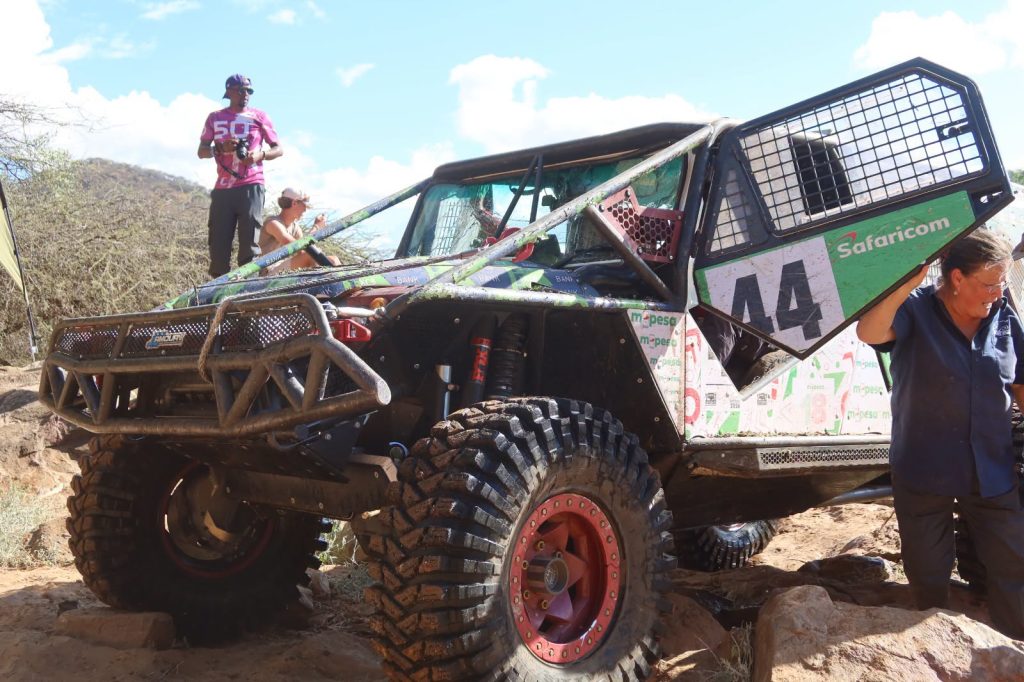
The rugged terrain beyond Mt. Ololokwe in Samburu County may seem an unlikely destination for mainstream tourism, but Rhino Charge 2026 has once again demonstrated how conservation-driven adventure events are shining a spotlight on some of Kenya’s most remote and spectacular landscapes.
Known for its unforgiving terrain, Rhino Charge attracts competitors from across the country who navigate challenging courses in support of environmental conservation.
This year’s edition took participants through 13 demanding checkpoints across Samburu’s breathtaking wilderness, testing not only their vehicles but also their endurance, navigation skills, and teamwork.
While the event is widely recognized for raising funds to support conservation efforts through the Rhino Ark Charitable Trust, its impact extends beyond environmental protection.
By bringing hundreds of participants, sponsors, support crews, and visitors into remote regions, Rhino Charge is increasingly positioning areas such as Samburu as destinations for adventure tourism.

The dramatic landscapes surrounding Mt. Ololokwe provided a stunning backdrop for this year’s challenge. Characterized by rocky outcrops, sweeping plains, and untouched wilderness, the region offered participants an opportunity to experience a side of Kenya that remains largely unexplored by conventional tourists.
Beyond the competition itself, the event showcased the economic and tourism potential of northern Kenya. Local communities benefited from increased activity, while visitors gained first-hand exposure to Samburu’s natural beauty and cultural richness.
At the heart of Rhino Charge remains a conservation mission. Every kilometre covered contributes to fundraising efforts aimed at protecting Kenya’s mountain ecosystems and water towers, which are critical to the country’s environmental sustainability and water security.

Corporate sponsors also played a significant role in this year’s event. Several organizations backed teams competing in the challenge, reinforcing a growing trend of private sector involvement in environmental conservation and sustainable development initiatives.
Yet for many participants, the defining feature of Rhino Charge was not the competition but the spirit of solidarity displayed throughout the course. Teams frequently assisted one another through difficult sections, reflecting the values of cooperation and community that have become synonymous with the event.
As Kenya seeks to diversify its tourism offerings beyond traditional wildlife safaris and coastal attractions, events such as Rhino Charge are demonstrating the potential of adventure tourism to unlock opportunities in lesser-known regions. In doing so, they are helping place Samburu’s remote landscapes firmly on Kenya’s tourism map while advancing a broader mission of conservation and community development.
For Samburu, the annual event is becoming more than an off-road challenge. It is a showcase of the region’s beauty, resilience, and potential—one that continues to attract attention from conservationists, adventurers, and tourism stakeholders alike.



More Stories
Willstone Homes Boss Ejidio Kinyanjui Faces Rape Trial
Inside Kindiki’s latest move to scuffle Gachagua’s ‘Wantam’ politics in Mt Kenya
Kenya calls for stronger after-sales support as WHX Nairobi attracts 250 healthcare firms