

By Dr. Kibet Shikuku, Consultant Haemato-Pathologist, The Nairobi West Hospital_
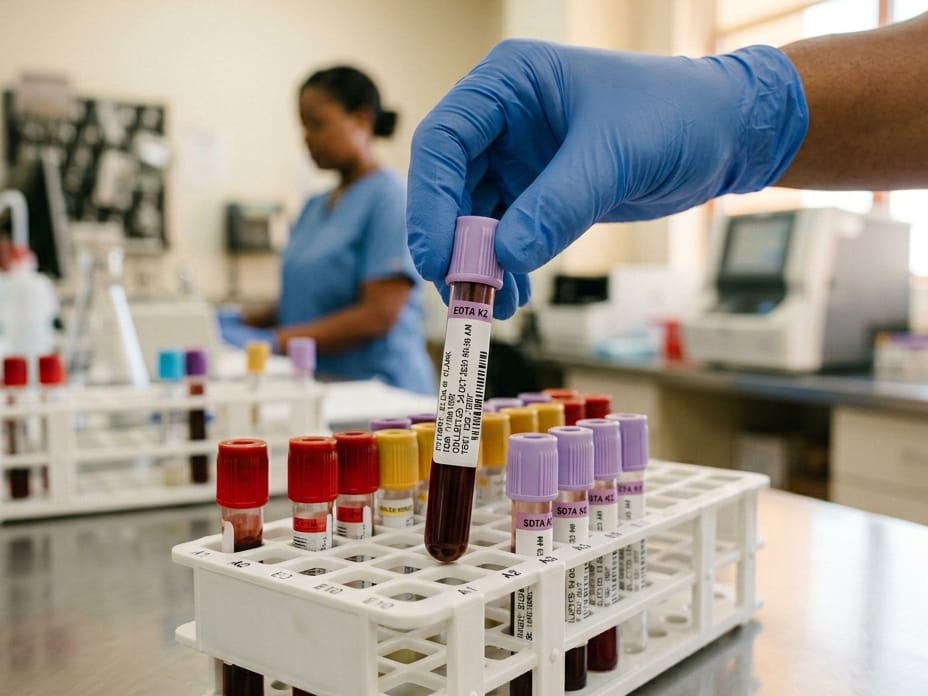
As Kenya joins the rest of the world in marking World Laboratory Week 2026 under the theme “A Day at the Lab,” the spotlight turns to a critical but often unseen pillar of healthcare: the diagnostic laboratory. From routine blood work to complex molecular testing, laboratories are increasingly defining the speed, accuracy and outcomes of patient care.
In Kenya, the numbers tell a compelling story. An estimated 50 million diagnostic tests are conducted annually, underscoring the central role laboratories play in disease detection and management. Yet access remains uneven, with about 70 per cent of the population in rural areas facing limited access to quality diagnostic services. This gap continues to shape national health outcomes, even as demand for testing rises.
The growth trajectory, however, is unmistakable. Kenya’s diagnostics market is projected to reach approximately Sh8.9 billion by 2032, driven by the need for timely, accurate testing amid a rising burden of non-communicable diseases. Conditions such as cancer, diabetes and cardiovascular illnesses—now responsible for a significant share of deaths—are pushing laboratories to evolve from basic testing centres into advanced diagnostic hubs.
Innovation is at the heart of this transformation. Across the country, laboratories are increasingly adopting automation, digital reporting systems and point-of-care technologies that reduce turnaround times and improve clinical decision-making. Today, roughly half of healthcare facilities in Kenya are equipped with modern diagnostic technologies, a shift that is redefining efficiency and accuracy in patient care.
At facility level, hospitals are aligning with this national momentum. At The Nairobi West Hospital, laboratory services continue to expand in both scope and capability, reflecting the broader shift towards patient-centred diagnostics. The institution’s investment in round-the-clock services and integrated reporting systems mirrors the theme of this year’s commemoration—offering a glimpse into the daily precision, coordination and expertise that underpin every test result.
Beyond infrastructure, the human element remains central. Laboratory professionals—pathologists, technologists and technicians—form the backbone of the system. Their work, often behind the scenes, directly informs up to 70 per cent of clinical decisions, according to global estimates, reinforcing the idea that accurate diagnosis begins in the lab.
Still, challenges persist. High costs of diagnostic equipment, regulatory demands and disparities in access continue to slow uniform growth. Addressing these barriers will be critical if Kenya is to achieve universal health coverage and equitable healthcare delivery.
World Laboratory Week, therefore, is more than a celebration. It is a call to recognise the laboratory as the starting point of care—where samples become answers, and answers shape outcomes. As the country advances its healthcare agenda, the lab is no longer a support function; it is the engine driving modern medicine.




More Stories
Merck Foundation Marks World Heart Day 2026 with First Ladies
Kenya calls for stronger after-sales support as WHX Nairobi attracts 250 healthcare firms
Fifteen New Hospitals to Be Built Under Kenya-Italy Health Partnership