

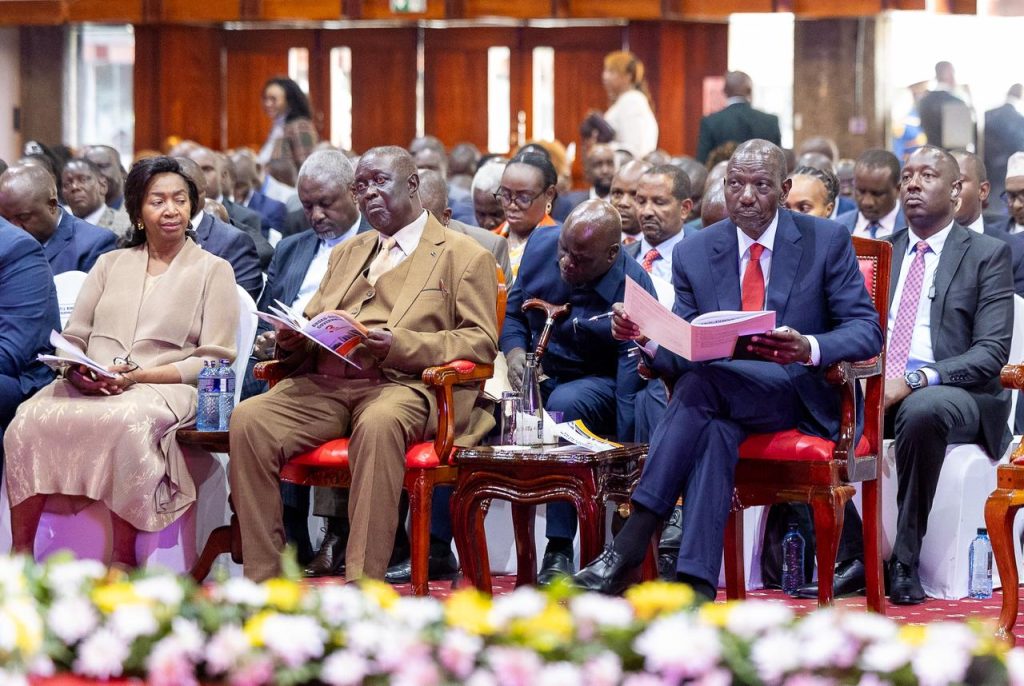
Oburu Oginga, a senior leader in the Orange Democratic Movement (ODM), has defended the progress made under the 10-Point Agenda, saying the framework was meant to strengthen the broad-based government rather than create it.
Speaking during the presentation of the implementation report at the Kenyatta International Convention Centre in Nairobi on Tuesday, Oginga said the agenda will continue beyond its anniversary and remain in place until 2027 as part of efforts to improve the livelihoods of Kenyans.
Addressing a joint parliamentary session, he clarified that the broad-based government arrangement existed even before the signing of the 10-Point Agenda.
“I want to inform the country that the broad-based government started long before the 10-Point Agenda. Therefore, it cannot depend on it. The agenda was meant to strengthen the arrangement,” he said.
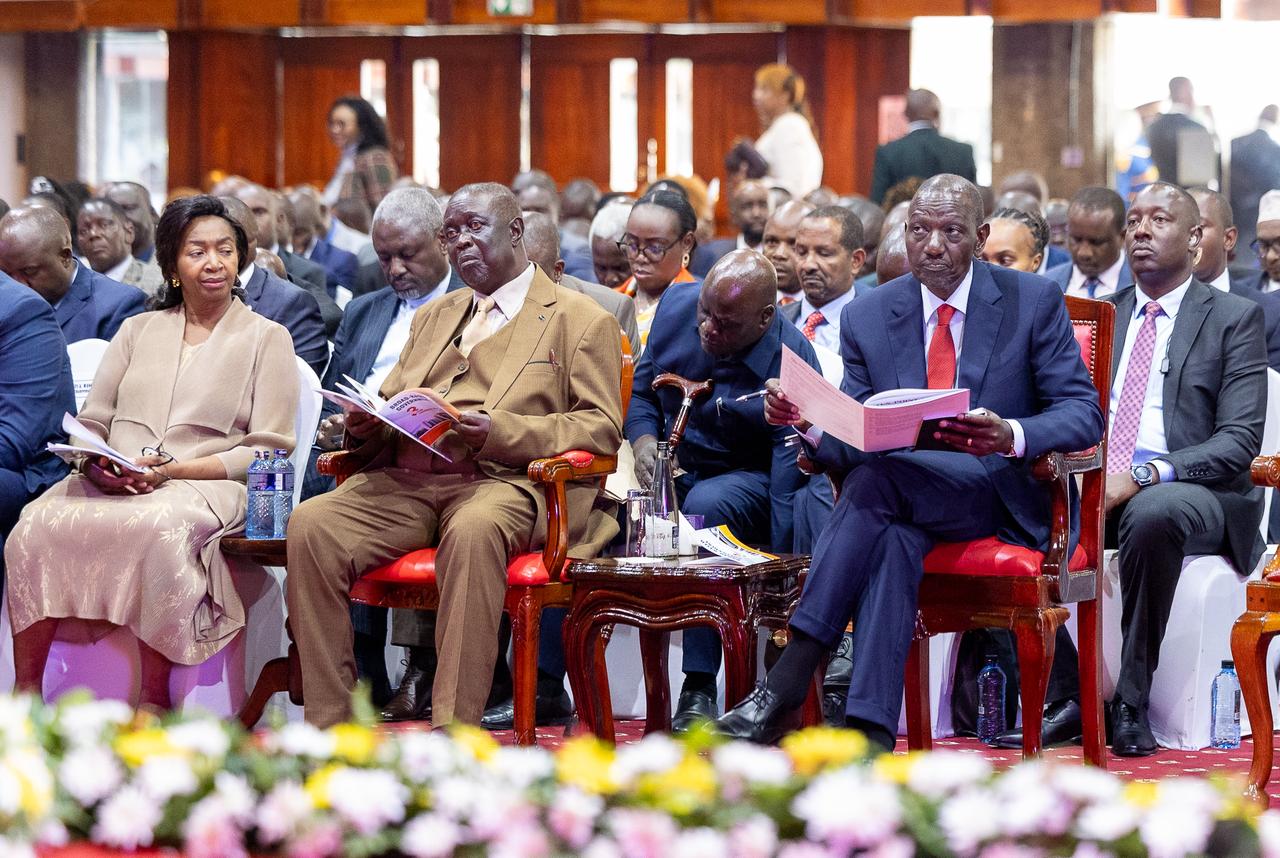
Oginga explained that March 7, which has often been referenced in discussions around the agenda, simply marks the date when the agreement was signed and should not be interpreted as the end of the framework.
“The seventh of March was not the end of the broad-based arrangement. It was only an anniversary marking the date when the 10-Point Agenda was signed and an opportunity to present an interim report on its implementation,” he added.
According to Oginga, the initiatives outlined in the agenda are long-term and will continue guiding governance reforms and social programmes beyond the current reporting period.
He also addressed concerns about police conduct during demonstrations, emphasizing the importance of upholding constitutional rights while maintaining law and order.
“If our Constitution allows demonstrations, then they should be conducted according to the law. We must be a law-abiding society, and those who violate the law or the Constitution should be held accountable,” he said.
Oginga noted that the government plans to compensate families who lost loved ones during past protests, acknowledging that financial compensation cannot replace lives lost but can offer some relief to affected families.
He further highlighted infrastructure development as a key pillar of the agenda, saying expanded transport networks and investment in marginalized regions, including northern Kenya, could unlock economic opportunities in sectors such as agriculture, livestock and mineral resources.


More Stories
LG targets busy urban households with all-in-one smart laundry system
Kindiki Pledges Completion of Mau Mau Roads, Announces Sh300m Water Plan for Murang’a
Kindiki Launches Sh293 Million Irrigation Project to Benefit 1,500 Households in Murang’a